
工厂立库优化提升
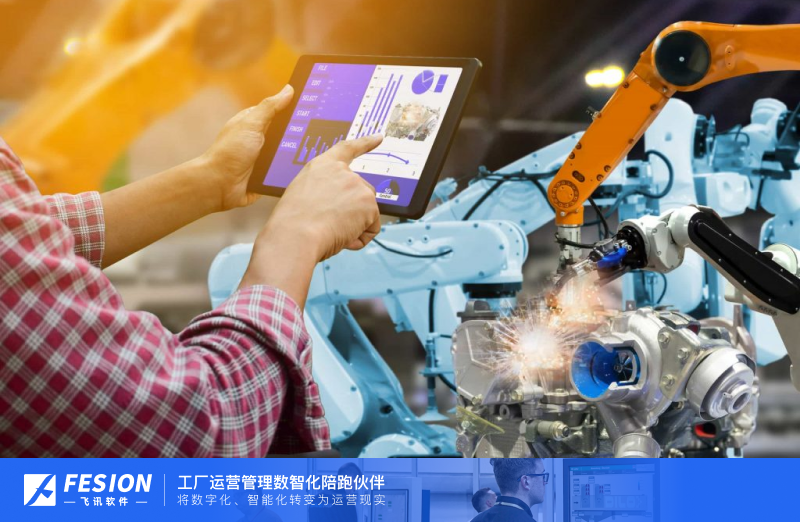
Title: Optimizing Factory Warehousing for Enhanced Efficiency: An In-depth Analysis
Introduction:
In today's rapidly evolving industrial landscape, optimizing factory warehousing is crucial to streamline operations, reduce costs, and improve overall efficiency. The integration of advanced technologies and innovative strategies has paved the way for significant improvements in the field of supply chain management. This article explores the multifaceted approaches to enhancing factory warehousing, focusing on various aspects that contribute to the overall optimization process.
1. Automated Storage and Retrieval Systems (AS/RS):
Implementing AS/RS solutions is a game-changer for factory warehousing optimization. These systems utilize robotic technology to efficiently store, retrieve, and manage inventory. AS/RS significantly enhances storage capacity, minimizes human error, and maximizes space utilization. By automating warehousing tasks, companies can achieve higher accuracy rates, shorter lead times, and reduced labor costs, ultimately increasing productivity.
2. Inventory Control and Real-time Tracking:
Maintaining optimal inventory levels is critical to prevent overstocking or understocking scenarios. Implementing advanced inventory control systems allows real-time tracking of inventory movement, ensuring accuracy and minimizing stock discrepancies. By employing data-driven forecasting techniques and integrating supply chain management software, companies can gain valuable insights into demand patterns, identify potential bottlenecks, and make informed decisions to optimize warehouse operations.
3. Efficient Space Utilization:
Appropriate space utilization is essential to maximize storage capacity and minimize operational costs. Employing intelligent warehouse layout designs, such as high-density racking systems, enables companies to utilize vertical space effectively. Additionally, adopting flexible storage solutions, such as movable racks or modular shelving, allows for easy reconfiguration and adaptability to changing product demands. By optimizing space utilization, companies can reduce the need for additional warehouse expansions and associated costs.
4. Streamlined Material Flow:
A well-defined material flow process is crucial for optimizing factory warehousing. Implementing lean manufacturing principles, such as Just-in-Time (JIT) and Kanban systems, helps reduce inventory holding time and enables a continuous flow of materials. By minimizing inventory buffers and incorporating efficient material handling equipment, such as conveyors and automated guided vehicles (AGVs), companies can streamline the movement of goods within the warehouse, reducing lead times and improving overall operational efficiency.
5. Employee Training and Collaboration:
Optimizing factory warehousing extends beyond technological advancements; it also relies on well-trained and motivated employees. Providing comprehensive training programs on warehouse operations, safety protocols, and utilization of advanced technologies ensures that staff can adapt to evolving warehouse requirements. Encouraging cross-functional collaboration and empowering employees to provide suggestions for process improvement fosters a culture of continuous innovation, leading to enhanced efficiency in warehouse operations.
6. Continuous Process Improvement:
Achieving and sustaining optimized factory warehousing is an ongoing journey. Regularly analyzing key performance indicators (KPIs) and conducting process audits allows companies to identify areas for improvement and implement appropriate corrective measures. Embracing a data-driven approach and leveraging analytics tools facilitates proactive decision-making, enabling companies to optimize workflows, reduce waste, and maximize resource utilization.
Conclusion:
In today's dynamic manufacturing environment, optimizing factory warehousing is essential for businesses to stay competitive. By adopting a multi-dimensional approach that encompasses technological advancements, efficient space utilization, streamlined material flow, employee training, and continuous improvement, companies can unlock significant benefits such as improved productivity, reduced costs, and enhanced customer satisfaction. Embracing these strategies will position businesses at the forefront of the industry, ensuring a sustainable and prosperous future.
��Ѷ���������2006�꣬ӵ�������з����뿪��ƽ̨����һ�Ҽ���Ӫ�������졢�ɹ���ȫ��·���ǻ��������Ʒ����̺ͷ����̡���Ʒ�������ֻ����䡢����������������������˾��MRO��ERP��MES��WMS��CRM��SRM�Ȳ�ƷΪ������Ϊ�ͻ��ṩ���ǻ��������巽���滮��������ܷ�����Χ���������Ǻͳ����ǵ����������ڰ����ͻ������к�ʵ�ʳ������ɴ��С��ɴ��µ����ֻ���Ӫ��ϵ�������������Ϣ�����������ֻ��;������ܻ��������⣬Ϊ��ͬ��ҵ����ͬ��ʵ�ֲ�ͬ�ľ�ӪĿ�ꡣ
















请先 登录后发表评论 ~