
工厂立库货物管理(某工厂成品库管理)
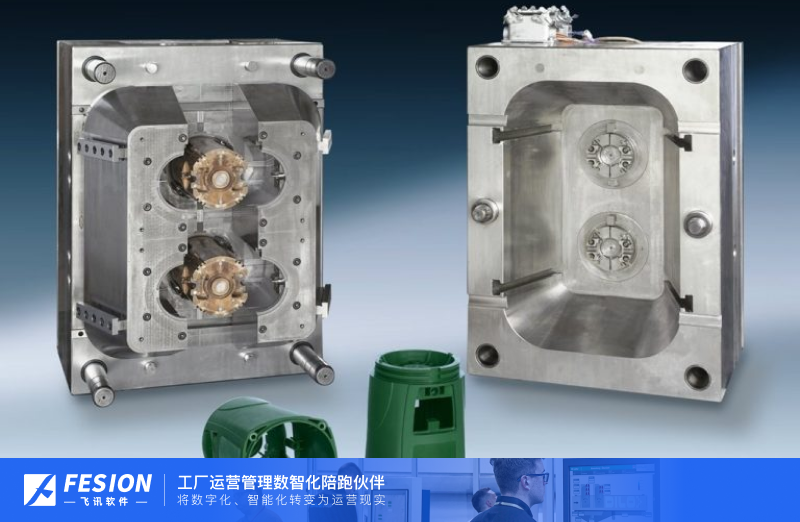
Title: Effective Management of Warehouse Inventory in Manufacturing Plants
Introduction:
In today's competitive manufacturing industry, the efficient management of warehouse inventory plays a crucial role in ensuring smooth operations and meeting customer demands. Factory warehouse management involves handling and organizing a wide range of goods, from raw materials to finished products. In this article, we will explore the various aspects of warehouse inventory management in manufacturing plants from multiple perspectives.
1. Optimal Warehouse Layout:
An essential aspect of effective warehouse inventory management is designing an optimal layout. The layout should be well-organized, maximizing space utilization while minimizing travel time and costs. By grouping similar items together and positioning frequently accessed items close to the picking area, workers can expedite order fulfillment. Efficient space planning and the use of technology, such as automated storage and retrieval systems (AS/RS), can further enhance productivity in managing various products.
2. Streamlined Receiving and Inspection Processes:
Smooth inbound processes are critical for efficient inventory management. Implementing standardized receiving procedures ensures accurate recording of incoming shipments and minimizes discrepancies. Adequate inspection protocols help identify damaged or defective items early on, reducing the chances of holding faulty inventory. Automated barcode or RFID systems can streamline the receiving process, enabling real-time tracking and error reduction.
3. Effective Inventory Tracking:
Accurate inventory tracking forms the backbone of a well-managed warehouse. Utilizing robust inventory management software allows real-time monitoring of stock levels, ensuring timely replenishment and preventing stockouts or overstocking. Implementing barcode scanning or RFID technology enables fast and accurate data capture, reducing manual errors. Regular cycle counting and periodic physical inventory audits help maintain inventory accuracy and identify any discrepancies.
4. Demand Forecasting and Planning:
Having a clear understanding of customer demand patterns is vital in managing warehouse inventory effectively. Analyzing historical sales data and market trends helps predict future demand, enabling accurate inventory planning. Collaborating with suppliers through tools like vendor-managed inventory (VMI) can enhance visibility and optimize replenishment processes. Advanced forecasting techniques, such as predictive analytics and machine learning algorithms, can further improve accuracy and optimize inventory levels.
5. Efficient Order Fulfillment:
A well-organized order fulfillment process ensures timely and accurate delivery to customers. Utilizing picking strategies like zone picking or batch picking based on order characteristics or product similarities can expedite order processing. Implementing automated picking systems, such as pick-to-light or voice-guided picking, enhances worker efficiency and minimizes errors. Effective integration with transportation management systems (TMS) ensures seamless coordination between the warehouse and distribution channels.
6. Continuous Process Improvement:
Continuous improvement is essential for optimizing warehouse inventory management. Regularly analyzing key performance indicators (KPIs) like order cycle time, order accuracy, and inventory turnover can help identify areas for improvement. Encouraging feedback from warehouse staff regarding operational challenges and implementing their suggestions fosters a culture of continuous improvement. Embracing emerging technologies like robotics and artificial intelligence (AI) can further revolutionize warehouse management practices.
Conclusion:
Managing warehouse inventory in manufacturing plants requires a multi-faceted approach that encompasses various aspects, including space planning, streamlined processes, accurate tracking, demand forecasting, efficient order fulfillment, and continuous improvement. By adopting best practices, leveraging technology, and embracing innovation, manufacturers can optimize inventory management, reduce costs, improve customer satisfaction, and gain a competitive edge in the market.
��Ѷ���������2006�꣬ӵ�������з����뿪��ƽ̨����һ�Ҽ���Ӫ�������졢�ɹ���ȫ��·���ǻ��������Ʒ����̺ͷ����̡���Ʒ�������ֻ����䡢����������������������˾��MRO��ERP��MES��WMS��CRM��SRM�Ȳ�ƷΪ������Ϊ�ͻ��ṩ���ǻ��������巽���滮��������ܷ�����Χ���������Ǻͳ����ǵ����������ڰ����ͻ������к�ʵ�ʳ������ɴ��С��ɴ��µ����ֻ���Ӫ��ϵ�������������Ϣ�����������ֻ��;������ܻ��������⣬Ϊ��ͬ��ҵ����ͬ��ʵ�ֲ�ͬ�ľ�ӪĿ�ꡣ

















请先 登录后发表评论 ~