
MES系统柔性制造的实施步骤
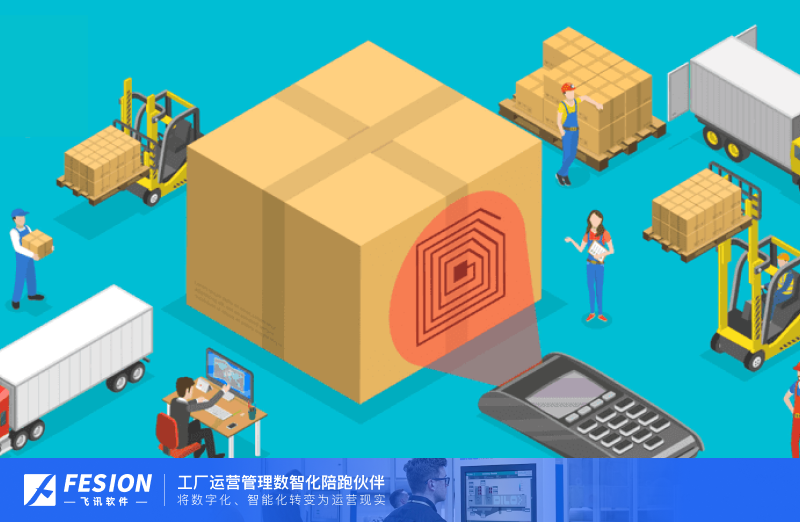
Title: The Implementation Steps of MES System for Flexible Manufacturing: A Multifaceted Perspective
Introduction (100 words)
The Manufacturing Execution System (MES) has emerged as a critical tool for enhancing efficiency and agility in the manufacturing industry. In the context of flexible manufacturing, MES plays a pivotal role in optimizing operations and ensuring seamless coordination among various manufacturing processes. This article aims to provide a comprehensive overview of the implementation steps involved in introducing an MES system for flexible manufacturing, considering multiple perspectives.
I. Business Process Analysis and Requirements Gathering (200 words)
Before implementing an MES system, it is crucial to conduct a thorough analysis of existing business processes. This stage involves engaging key stakeholders to identify pain points, inefficiencies, and areas for improvement. By assessing current workflow, data management, and production bottlenecks, a clearer understanding of the organization's requirements can be obtained. Gathering these requirements will help ensure that the MES system aligns with the specific needs of the business.
II. Selection of Appropriate MES Solution (200 words)
Once requirements have been identified, the next step is selecting an MES solution that best suits the organization's needs. This stage involves evaluating potential vendors, their track records, and the functionalities provided by their MES systems. Factors such as scalability, flexibility, ease of integration with existing systems, and long-term support should be considered. Engaging in proof-of-concept trials and demos can further aid in identifying the most suitable MES solution.
III. System Design and Configuration (300 words)
System design and configuration involve tailoring the selected MES solution to match the organization's specific requirements. This includes mapping out production workflows, setting up data collection points, and configuring system parameters. Integration with other systems, such as Enterprise Resource Planning (ERP) software and equipment control systems, must be carefully planned to ensure seamless information flow. Additionally, user interfaces should be designed to be intuitive and easy to navigate for operators and managers.
IV. Implementation and Testing (200 words)
The implementation phase involves deploying the configured MES solution in a controlled environment. This step includes installing necessary hardware, such as data collection devices and sensors, and establishing connectivity with relevant systems. System functionality, including data accuracy, real-time monitoring, and reporting capabilities, must be thoroughly tested. It is essential to involve end-users in testing to gather feedback and ensure that the system meets their requirements effectively.
V. Training and Change Management (200 words)
To successfully implement an MES system, proper training and change management strategies are crucial. Employees at all levels should receive adequate training on system operations, data interpretation, and troubleshooting. Clear communication of the system's benefits and how it aligns with the organization's overall goals will help gain buy-in from employees. Change management plans should address potential resistance and ensure smooth adoption of the new system.
VI. Continuous Improvement and Maintenance (200 words)
Implementing an MES system is not a one-time effort but an ongoing process. Once the system is live, organizations can identify areas for continuous improvement based on real-time data insights provided by the MES system. Regular monitoring of system performance, preventive maintenance, and periodic evaluations of system efficiency should be carried out. Continuous user training and engagement will also help maximize the system's potential and adapt to evolving business needs.
Conclusion (100 words)
Implementing an MES system for flexible manufacturing requires a systematic approach from various perspectives. Through meticulous analysis, proper selection, thorough design and configuration, effective implementation, training, and continuous improvement, organizations can reap the benefits of enhanced efficiency, reduced downtime, and improved decision-making. The journey towards embracing MES for flexible manufacturing is a dynamic process that requires collaboration and a commitment to adapt to the ever-changing manufacturing landscape.
��Ѷ���������2006�꣬ӵ�������з����뿪��ƽ̨����һ�Ҽ���Ӫ�������졢�ɹ���ȫ��·���ǻ��������Ʒ����̺ͷ����̡���Ʒ�������ֻ����䡢����������������������˾��MRO��ERP��MES��WMS��CRM��SRM�Ȳ�ƷΪ������Ϊ�ͻ��ṩ���ǻ��������巽���滮��������ܷ�����Χ���������Ǻͳ����ǵ����������ڰ����ͻ������к�ʵ�ʳ������ɴ��С��ɴ��µ����ֻ���Ӫ��ϵ�������������Ϣ�����������ֻ��;������ܻ��������⣬Ϊ��ͬ��ҵ����ͬ��ʵ�ֲ�ͬ�ľ�ӪĿ�ꡣ
















请先 登录后发表评论 ~